Extra Credit
Short Writing Assignments
A collection of SWAs from throughout the semester.
SWA 1
You would think you could trust your own grandpa, right? Wrong. When I was five, I thought time with my grandfather was just an adventure. He was the kind of man who carried himself with authority, his voice steady but edged with mystery. We would take long drives at night, the kind where the streetlights stretched out like golden beads across the dark highway. I never asked where we were going. I only knew I was with him, and that I felt safe. What I didn’t know then was that these weren’t harmless errands. They were runs, quiet exchanges in parking lots or back alleys, and though I didn’t understand it, he was moving with the shadowy rhythm of the mob.
One evening, he told me to wait in the car while he stepped out to meet a group of men near the edge of a dimly lit lot. I pressed my forehead to the window, tracing the fog of my breath into little shapes, trying to distract myself from the feeling that something was off. The men greeted him with nods at first, but their voices rose, words sharp and clipped. My small world tilted in a way I couldn’t comprehend.
The night cracked open with the sound of gunfire. It wasn’t like the TV shows I had sometimes snuck a glance at, it was louder, crueler, echoing inside my ribs. I dropped down instantly, curling into a ball at the foot of my seat, too scared to breathe. My fingers dug into the carpet as though the fabric could swallow me whole and protect me. Through the glass I heard chaos, shouts cut short, and then silence heavy enough to crush the air from my chest. That was the night my childhood innocence was shattered.
SWA 2
When the shots stopped, I remained hidden, pressed onto the floor as if I were trying to disappear. I remember the scent of gasoline seeping into my nose, the faint hum of the engine, the sharp sting of terror freezing my body in place. My grandfather’s voice never came back to reassure me. All I could see when I dared peek up was the glow of red and blue lights flashing against the walls of the lot as police cars pulled in.
They found me curled in the backseat, trembling, unable to explain anything. My words came out broken, my small voice trying to tell them I had been waiting like he told me. The officers’ faces shifted between pity and suspicion, their radios buzzing with static and codes I did not understand. I never saw my grandfather again.
The trauma sank deep. For years, I flinched at loud noises, fireworks sending me right back to that night, heart pounding, body folding in on itself. Trust became slippery, a word I could not hold onto. If someone as close as my grandfather could lead me into such darkness, how could I believe in anyone fully?
And yet, the memory taught me something too. I learned early that choices ripple outward. His choices brought him power but also danger, and they pulled me, innocent, into the crossfire. As I grew older, that lesson stayed sharp in my mind. I understood how fragile life was, how quickly one wrong move could burn everything down.
The image of him standing there, talking with those men, and then collapsing under the weight of violence never left me. It was both a scar and a compass, pointing me toward a life where I would never repeat his mistakes.
SWA 3
Photography: Capturing Life Through Light
I became involved in the photography community when I borrowed my friend’s camera during high school. What started as a way to document everyday life quickly became a passion for storytelling through images. The first time I adjusted the settings for myself on manual mode, I realized how much control I had over how a moment could feel. Photography felt like a voice without words, allowing me to express emotion through lighting, texture, and composition.
Photography is important to me because it teaches patience and attention to detail. Each photo is a lesson in seeing the world differently, finding beauty in simple things like reflections on glass or shadows on pavement. Sharing my photos with my group of photography friends and receiving feedback has helped me grow technically and creatively. This community inspires constant learning, whether it’s mastering post-processing/color grading in Lightroom or experimenting with the rule of thirds to improve composition.
To outsiders, the photography discourse community may seem technical, full of difficult concepts like “exposure triangle” or “depth of field,” but at its heart, it’s about connection. Photographers use visual language to communicate emotions, preserve memories, and spark empathy. We share tips in forums, collaborate on shoots, and critique each other’s work to refine our craft.
Our community values creativity, authenticity, and storytelling. Whether it’s a street photographer capturing spontaneous city life or a portrait artist shaping light to reveal character, every image reflects our shared mission: to see the extraordinary in the ordinary.
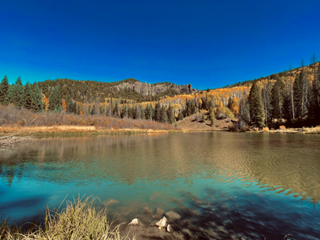
SWA 4
The photography community is built on a foundation of creativity, authenticity, collaboration, and lifelong learning. At its core, photography values creativity; the ability to capture and express emotions, perspectives, and stories through visual art. Photographers support this value by constantly experimenting with lighting, composition, and editing techniques, often sharing their creative processes on platforms like Instagram, Flickr, or photography forums. This open exchange of ideas motivates others to explore their own artistic voices.
Authenticity is another essential value. The community emphasizes honest storytelling, encouraging photographers to portray subjects truthfully while still expressing individuality. Many photographers create projects that reflect personal experiences or social realities, showing that images can be powerful tools for awareness and empathy. Through workshops and critique groups, members push each other to be genuine rather than overly commercial or trend-driven.
Collaboration is deeply ingrained in photography culture. From local photo walks to online critique circles, photographers support one another through constructive feedback, mentorship, and shared opportunities. These relationships foster growth and build trust among members who share a common passion.
Finally, photographers value lifelong learning. New technology, editing software, and creative trends constantly reshape the field. The community encourages continuous improvement through tutorials, masterclasses, and competitions that challenge photographers to refine their skills.
Together, these values make the photography community not just a network of artists, but a supportive environment where creative expression and personal growth coexist side by side.
SWA 5
When I first started this English class, I honestly didn’t expect it to involve as much creativity or technology as it did. I thought it would be a typical writing and reading class, but instead I found myself building full websites, writing a memoir, and even discussing philosophers (by my choice) and how their ideas connect to our everyday thinking. At first, creating a website felt completely out of my comfort zone, but as the weeks went on I realized how useful that skill actually is. Learning how to organize pages, format content, choose colors, and present my writing in a professional way taught me a lot more about communication than I expected.
The middle of the semester definitely had the biggest learning moments. Writing the memoir pushed me to reflect on my own experiences and tell a story with purpose, not just put words on a page. The smaller discussions in the beginning helped me think more deeply about how people form beliefs, how we interpret situations, and how writing can shape understanding. I didn’t expect those topics to connect, but they made me a more thoughtful writer.
By the end of this class, I’ve gained skills that I know I’ll use far beyond English 1110. The website-building experience will help me in future classes and even in business projects. The writing practice, especially being clear, direct, and reflective, will translate into better emails, more professional communication, and stronger writing in my future business administration studies and the business I will soon be taking charge of. Overall, this class strengthened both my writing and my confidence.
SWA 6
1. Writing as a Process
During project 1, I used multiple steps in my writing process, including prewriting, revising, and reflecting. I began by writing freely to get my emotions on the page, then returned to organize and edit so the story would flow more naturally. Revising helped me see how structure and tone could shape the reader's emotional response. Collaborating with feedback, even if limited, helped me notice what needed to be changed or revised. This process showed me that writing is not about getting it perfect the first time, but about building meaning through reflection and change.
2. Rhetorical Situation and Genre
While writing my memoir, I had to think carefully about my audience and purpose. I wanted the story to keep its authentic and emotional aspect without overwhelming the reader. Understanding the genre of a personal narrative helped me choose the right tone, details, and pacing to make the piece powerful but not encumbering. I analyzed how different writing choices could create empathy and help readers understand what I experienced. This awareness taught me how to shape my writing to fit its purpose and connect deeply with those reading it.
3. Writing as a Social Act
In Project 2, I met this SLO by exploring how photography operates as a real discourse community built on shared communication and collaboration. While researching photographers, I learned how they exchange feedback, teach each other techniques, and use a shared vocabulary to communicate ideas clearly. Creating my website required me to think socially, because I had to imagine an outside audience who knew nothing about photography and explain the community in a way that welcomed them in. I also used online resources, articles, and reels created by other photographers, which showed how knowledge in this community is passed along socially rather than individually. Designing my site with simple explanations, relatable examples, and helpful visuals helped me connect with that audience more effectively. Overall, this project showed me how writing becomes stronger when I think about how communities communicate and how my work fits into that conversation.
4. Grammar and Usage
Throughout the semester, I improved my fluency in Standard Written English by practicing clearer sentence structure, more organized paragraphs, and stronger overall flow in my writing. Each assignment, from discussion posts to drafts of my memoir and website, helped me notice habits in my writing that needed adjustment, such as run-on sentences or missing transitions. As I revised, I became more confident in choosing precise wording and creating smoother, more readable explanations. I also learned how different registers of language serve different purposes: narrative language in my memoir, technical vocabulary in my photography project, and more academic tone in reflections. Paying attention to grammar and usage made my writing feel more intentional and professional, especially when addressing outside audiences. Overall, the semester helped me become more consistent and thoughtful in how I use language across different types of writing.
5. Research
For Project 2, I met the research SLO by gathering information from multiple photography sources, including articles, online guides, and educational reels. I used this research to better understand the vocabulary, values, and behaviors of photographers so I could explain them accurately on my website. I summarized important information in my own words and incorporated it ethically without copying or relying too heavily on any single source. Research also helped me learn how different photographers think about creativity, technical skill, and community, which influenced how I structured each page of my site. By combining my own perspective with outside sources, I created a more complete explanation of the photography community. This project showed me how research strengthens writing by helping me understand a topic deeply and present it responsibly.